What is a Silicone Defoamer? Complete Guide for Industrial Foam Control
Learn what a silicone defoamer is, how it works, its benefits, industrial applications, dosage, and how to choose the right foam …
Practical guides on scale control, dispersants, defoamers and water chemistry from the ZEELCHEM technical team.
Learn what a silicone defoamer is, how it works, its benefits, industrial applications, dosage, and how to choose the right foam …
Coagulants, flocculants, disinfectants, pH adjusters, scale and corrosion inhibitors: what each water treatment chemical does and…
Silicone defoamers and anti-foaming agents: high-performance foam control for coatings, water treatment, paper, food and textiles.
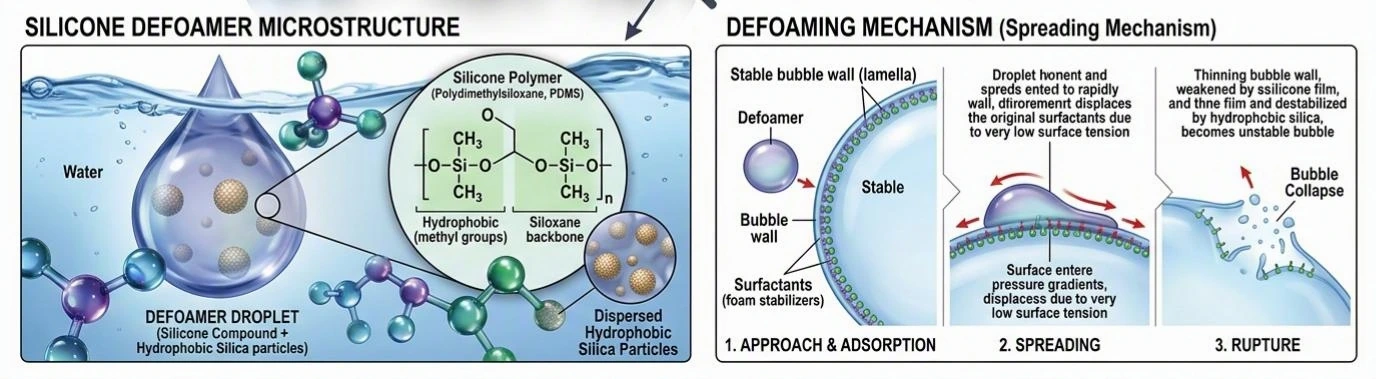
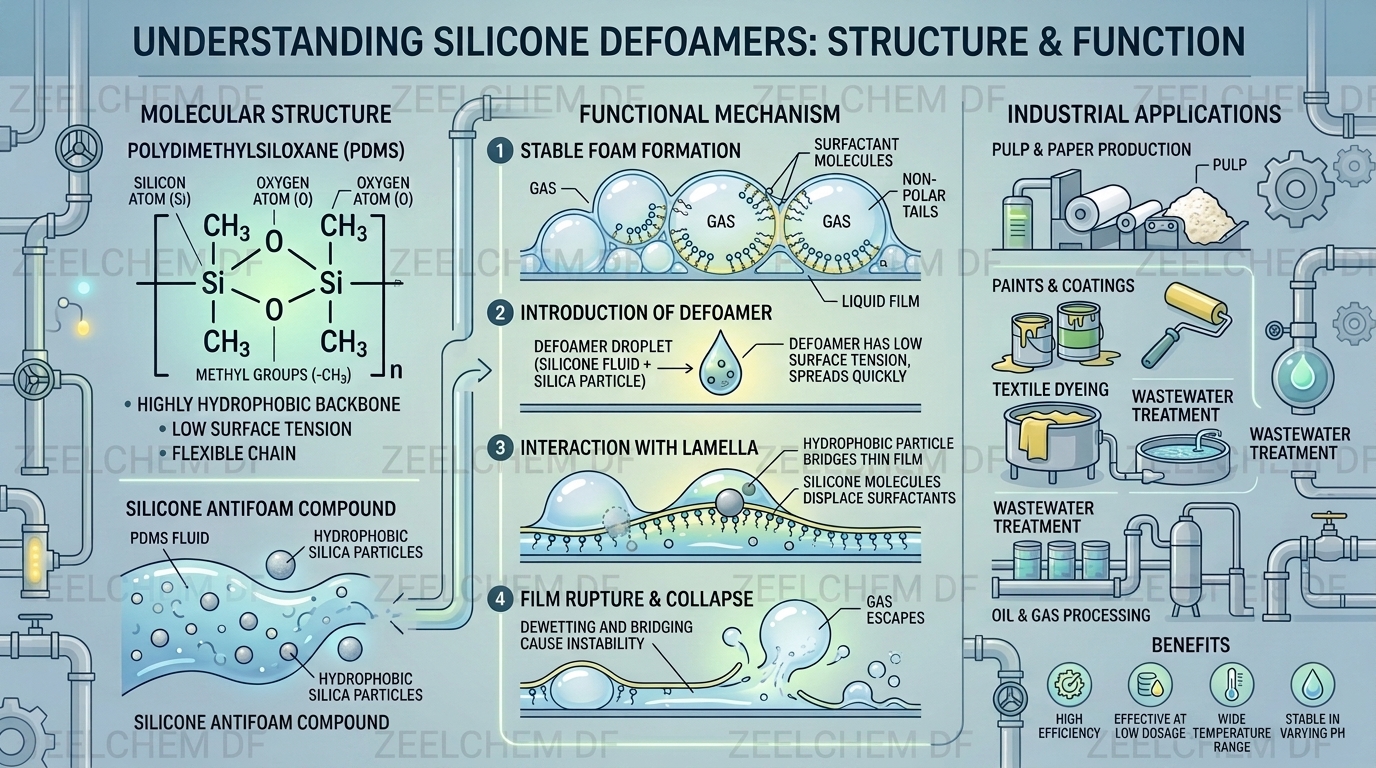
A silicone defoamer is an antifoam made from PDMS silicone oil and hydrophobic silica. How it works, composition, advantages and …
Polymer water treatment uses water-soluble polymers to clump suspended solids into flocs. How it works, polymer types, benefits a…
How silicone defoamer is made: raw materials, silicone–silica compound, emulsification, quality control and packaging. ZEELCHEM D…
Silicone defoamer key applications and dosage guidelines: wastewater, paints, pulp & paper, textiles, food, chemicals, oil & gas,…
Silicone defoamer pros and cons: dosage, heat and pH stability, surface defects and cost – and when to choose a silicone-free def…
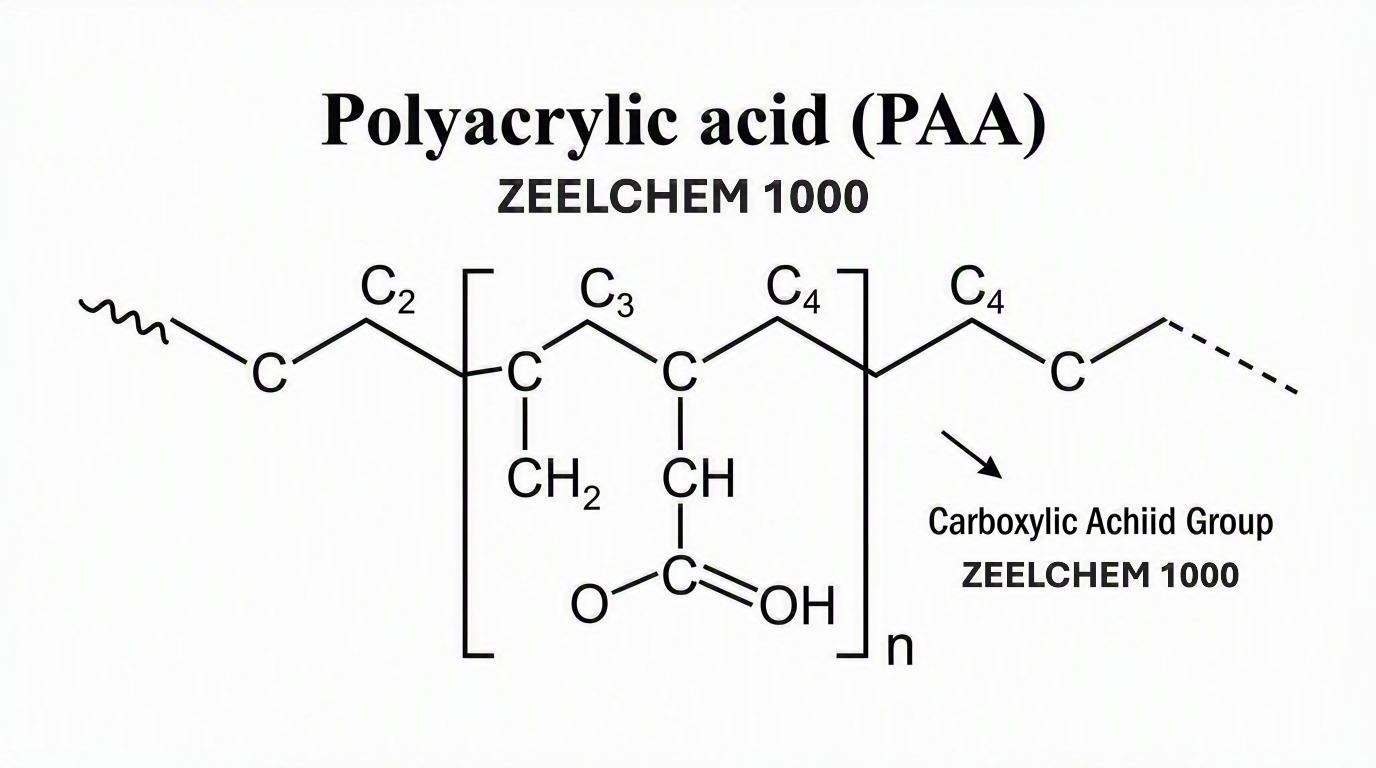
How low molecular weight polyacrylic acid prevents cooling tower scale: dosage (5–20 ppm), compatibility, monitoring and a manage…
Why low molecular weight polyacrylic acid beats high molecular weight PAA for scale inhibition: threshold effect, crystal distort…
The 10 most used water treatment dispersant polymers – PAA, PMA, MA/AA, AA/AMPS, PASP, PESA, SSMA, terpolymer – and where each on…