Common Water Treatment Chemicals and Their Roles
Coagulants, flocculants, disinfectants, pH adjusters, scale and corrosion inhibitors: what each water treatment chemical does and…
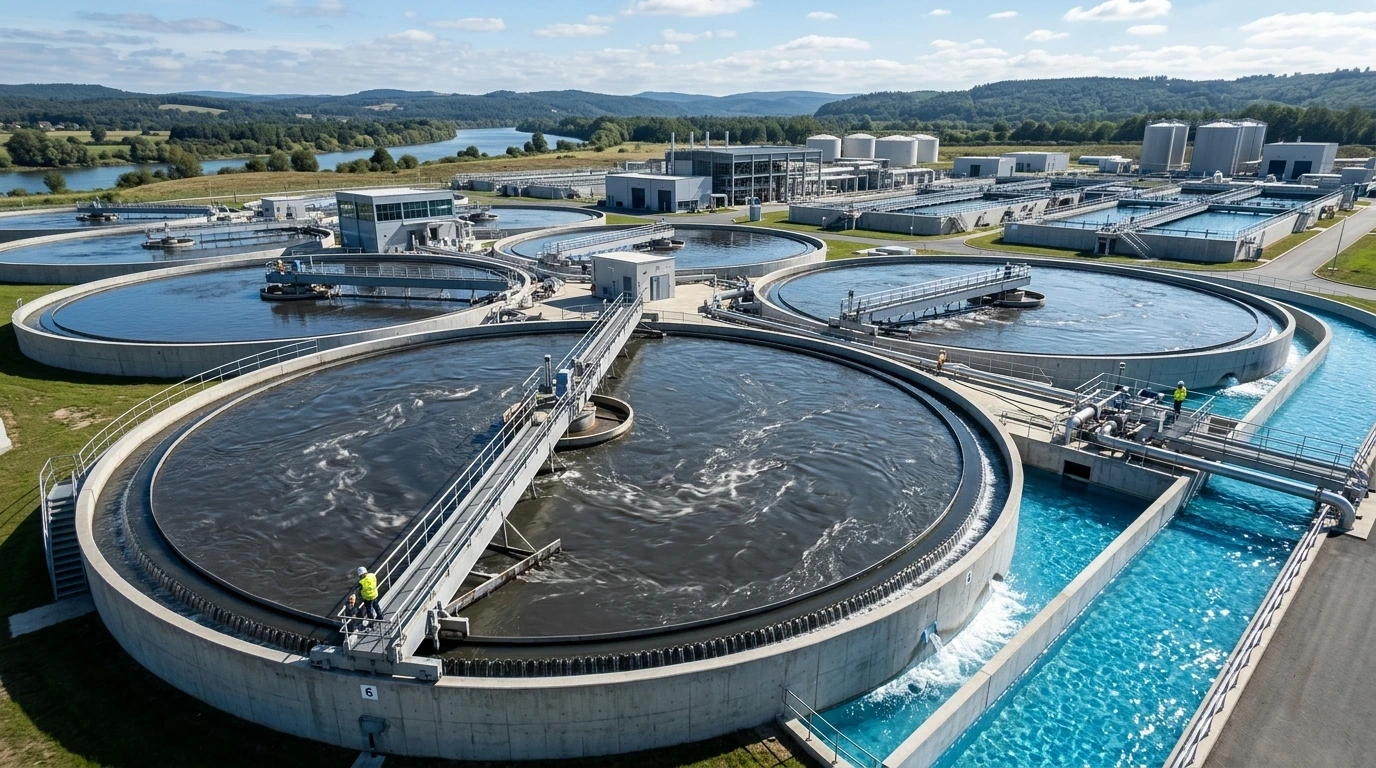
Foam reduces efficiency, affects product quality, raises costs and can damage equipment. Wastewater treatment, paints, textiles, pulp and paper, detergents, food processing and chemical plants all face foam problems. Silicone defoamers are a leading solution thanks to their fast action, lasting performance and compatibility with many systems.
A silicone defoamer (also called a silicone antifoam agent) is a chemical formulation that removes existing foam and prevents new foam. Typical ingredients are polydimethylsiloxane (PDMS), hydrophobic silica, emulsifiers and a water or oil carrier. Together they lower the surface tension of foam bubbles so they collapse quickly. Unlike many conventional defoamers, silicone formulas stay effective at high temperature, varying pH and in demanding conditions.
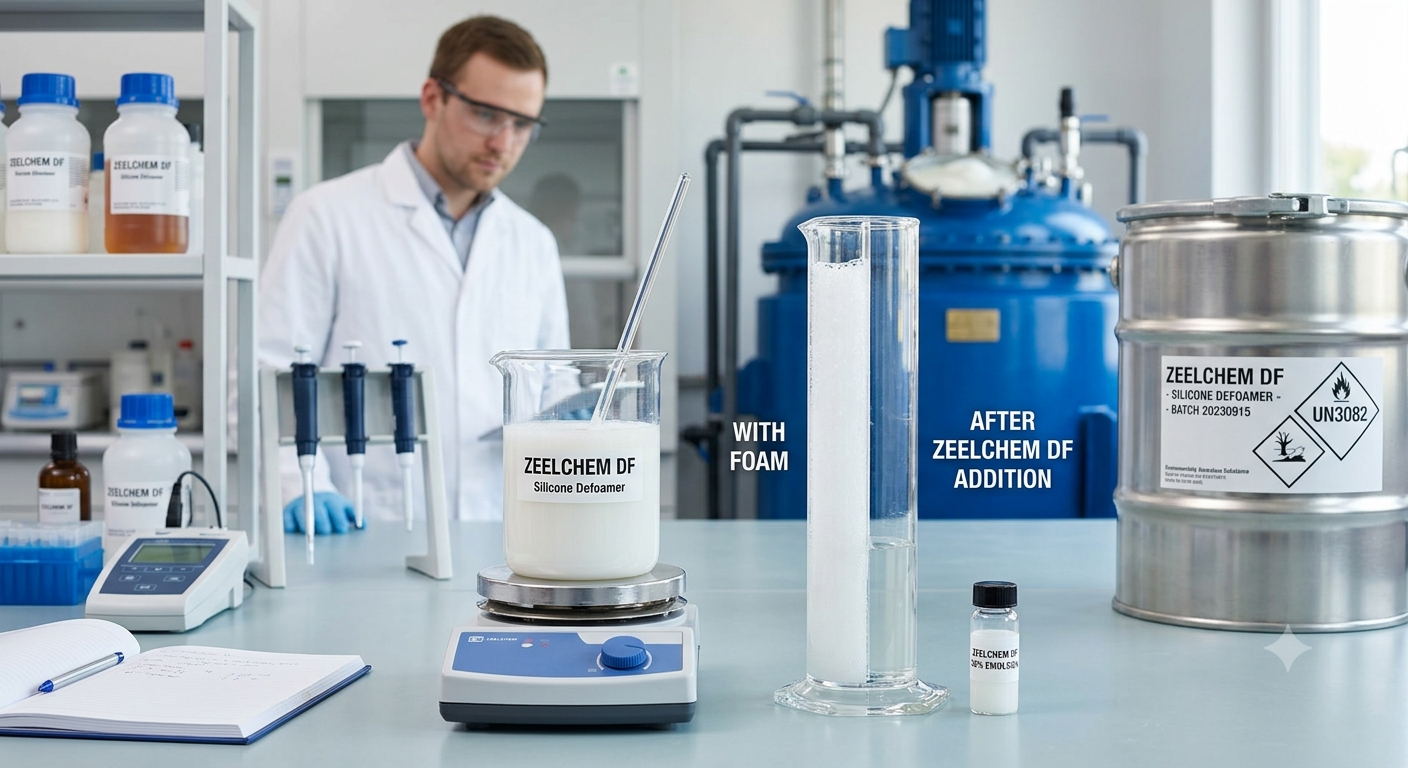
Without foam control, manufacturers face production delays and higher maintenance.
Silicone's very low surface tension lets it spread faster than water-based systems.
| Feature | Silicone Defoamer | Non-Silicone Defoamer |
|---|---|---|
| Speed | Very fast | Moderate |
| Dosage | Low | Higher |
| Temperature resistance | Excellent | Moderate |
| Chemical stability | Excellent | Moderate |
| Cost efficiency | High | Medium |
| Long-term performance | Excellent | Moderate |
Need a silicone-free option? See our non silicone defoamer.
Related reading: Silicone Defoamers & Anti-Foaming Agents · Silicone Defoamer – Key Applications
Silicone defoamers control unwanted foam, improve efficiency and support consistent quality across wastewater, paints, textiles, pulp and paper, detergents, chemicals and selected food applications. The right product depends on temperature, pH and system compatibility, and application-specific trials ensure reliable results.
They are closely related. Antifoams mainly prevent foam, while defoamers break existing foam. Many silicone products do both.
Safety depends on the formulation and use. Follow the Safety Data Sheet (SDS) and applicable regulations.
Yes, silicone defoamers are widely used for foam control in municipal and industrial wastewater.
When correctly selected and dosed, it controls foam without harming the product. Compatibility testing is recommended.
It varies by formulation and conditions, but silicone defoamers are valued for durable performance.
Coagulants, flocculants, disinfectants, pH adjusters, scale and corrosion inhibitors: what each water treatment chemical does and…
Silicone defoamers and anti-foaming agents: high-performance foam control for coatings, water treatment, paper, food and textiles.
A silicone defoamer is an antifoam made from PDMS silicone oil and hydrophobic silica. How it works, composition, advantages and …