What is a Silicone Defoamer? Complete Guide for Industrial Foam Control
Learn what a silicone defoamer is, how it works, its benefits, industrial applications, dosage, and how to choose the right foam …
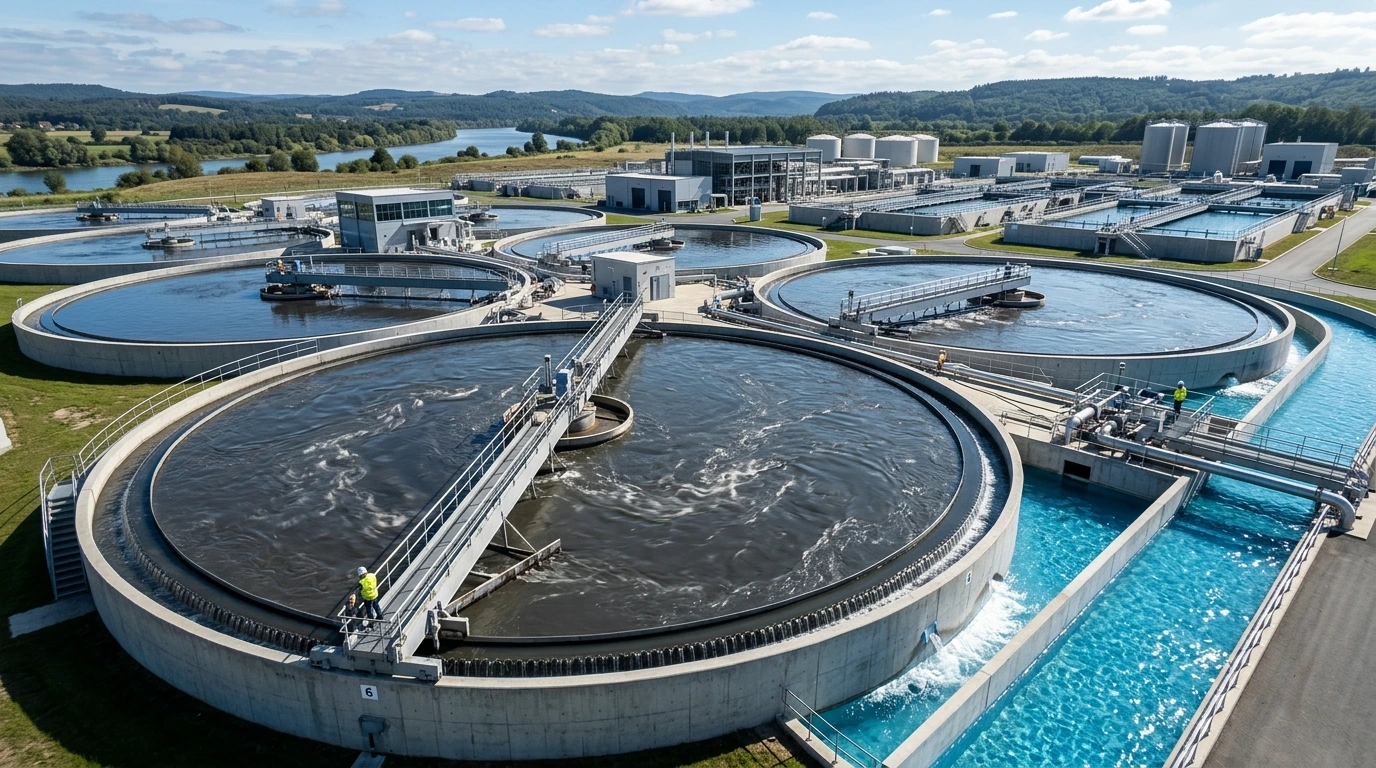
Water treatment chemicals are used in municipal drinking water plants, wastewater treatment plants, industrial systems such as cooling towers and boilers, and sometimes pools or well water. Their jobs: remove suspended solids, eliminate pathogens, adjust water chemistry, manage scale and corrosion, and tackle specific contaminants.
Coagulants neutralise the negative surface charge on fine particles (colloids, turbidity, organics, some metals) so they form micro-flocs.
Role: the essential first step for clarifying surface water.
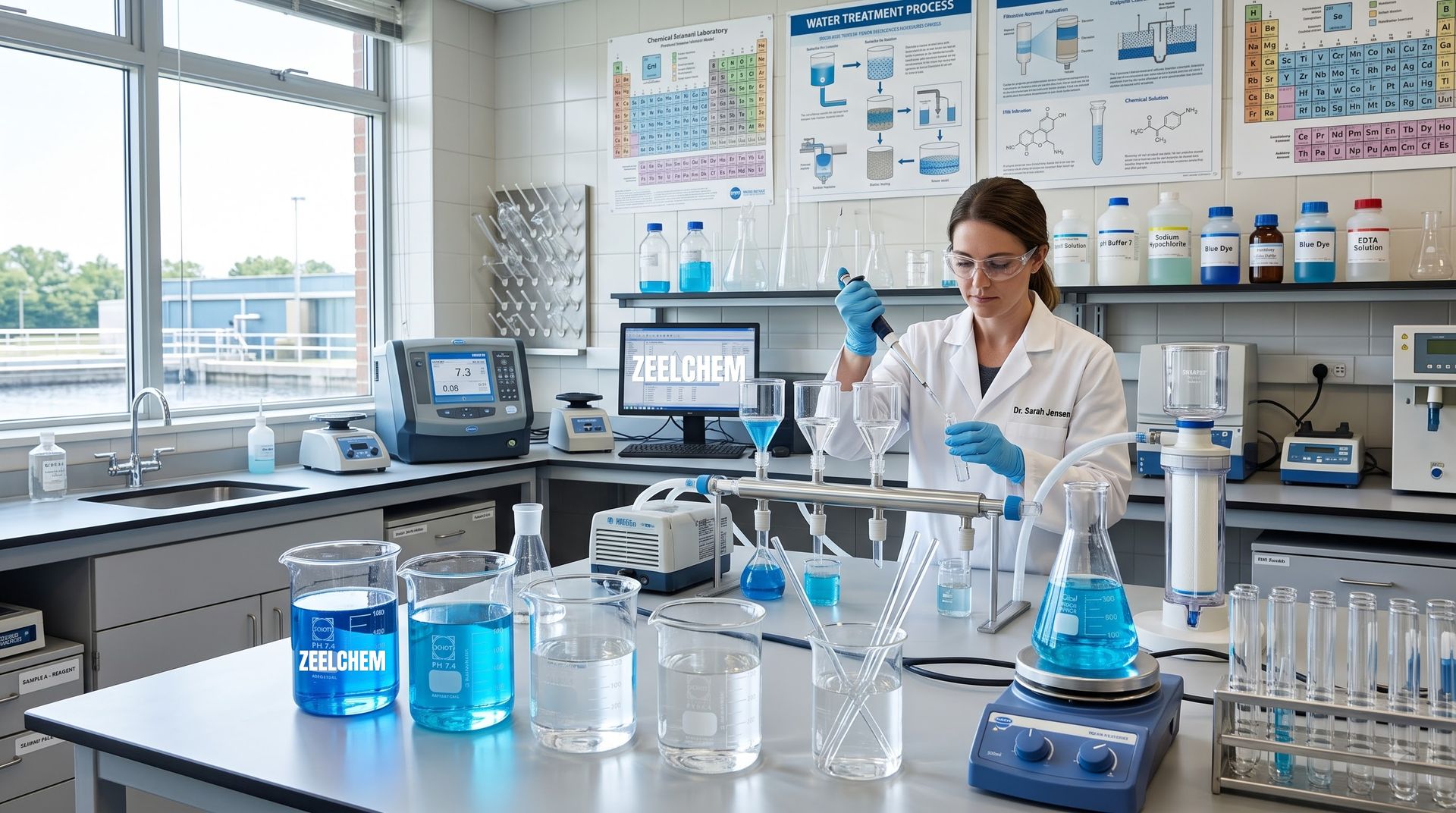
High molecular weight polymers – cationic, anionic or non-ionic polyacrylamides (PAM) – link micro-flocs into larger, denser flocs that settle or filter easily. Typical dose 0.1–2 mg/L. They speed settling and filtration, reduce residual turbidity and aid sludge dewatering.
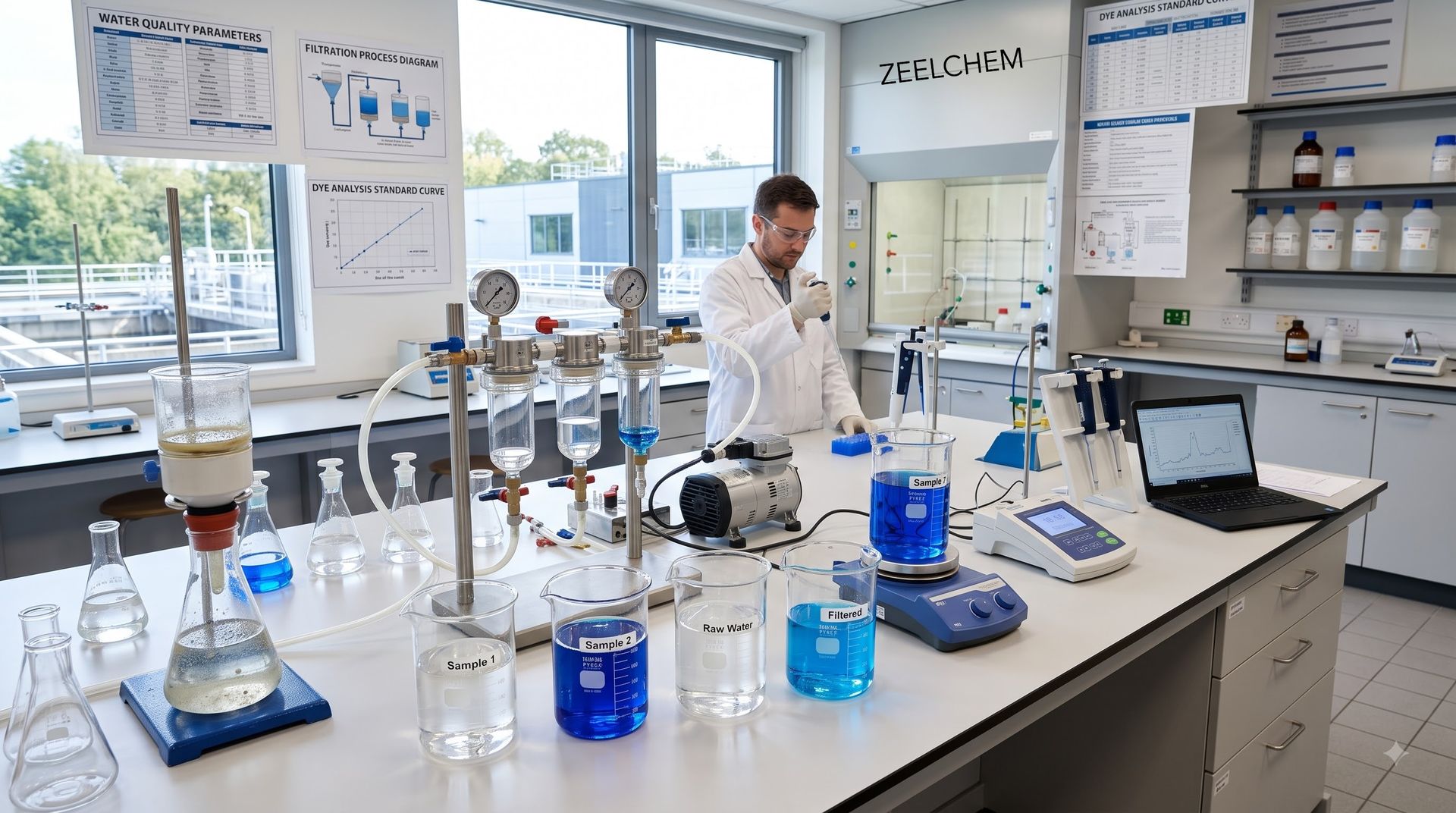
pH control optimises coagulation, disinfection and corrosion control; drinking water typically targets 6.5–8.5.
Chemical selection and dose depend on raw-water quality, treatment goals, regulations, sludge handling and cost. Jar testing is standard for optimising coagulants. Industrial cooling, boiler and wastewater systems rely more on scale/corrosion inhibitors, biocides and specialised coagulants than municipal plants do.
Learn what a silicone defoamer is, how it works, its benefits, industrial applications, dosage, and how to choose the right foam …
Silicone defoamers and anti-foaming agents: high-performance foam control for coatings, water treatment, paper, food and textiles.
A silicone defoamer is an antifoam made from PDMS silicone oil and hydrophobic silica. How it works, composition, advantages and …