What is a Silicone Defoamer? Complete Guide for Industrial Foam Control
Learn what a silicone defoamer is, how it works, its benefits, industrial applications, dosage, and how to choose the right foam …
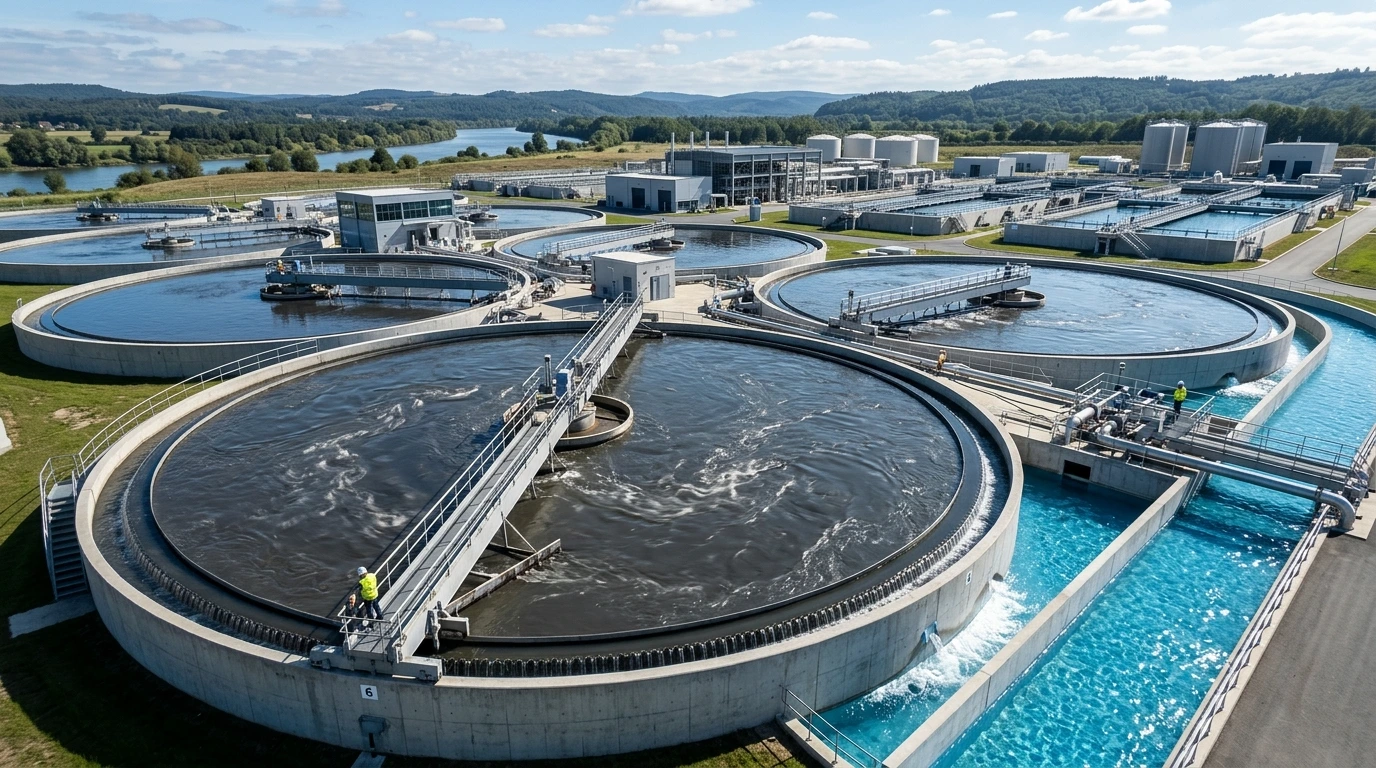
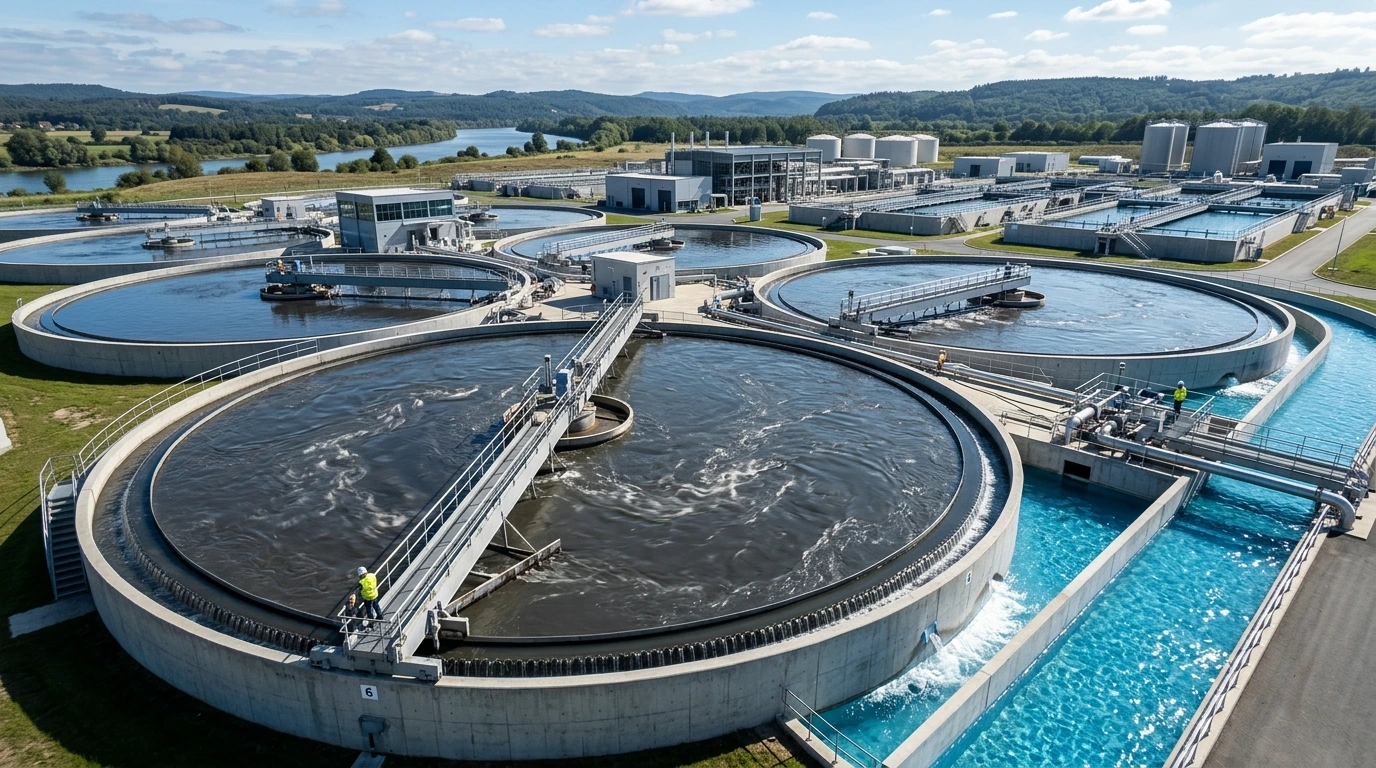
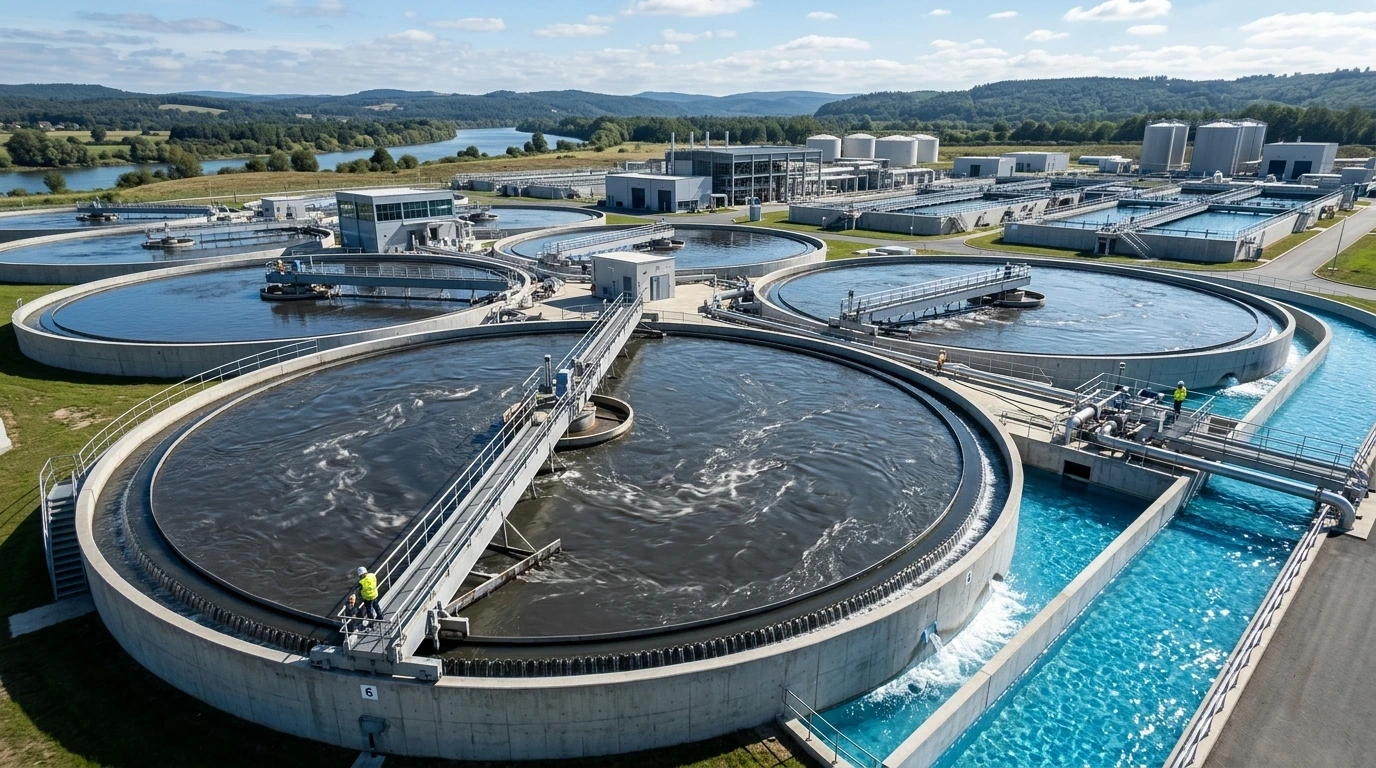
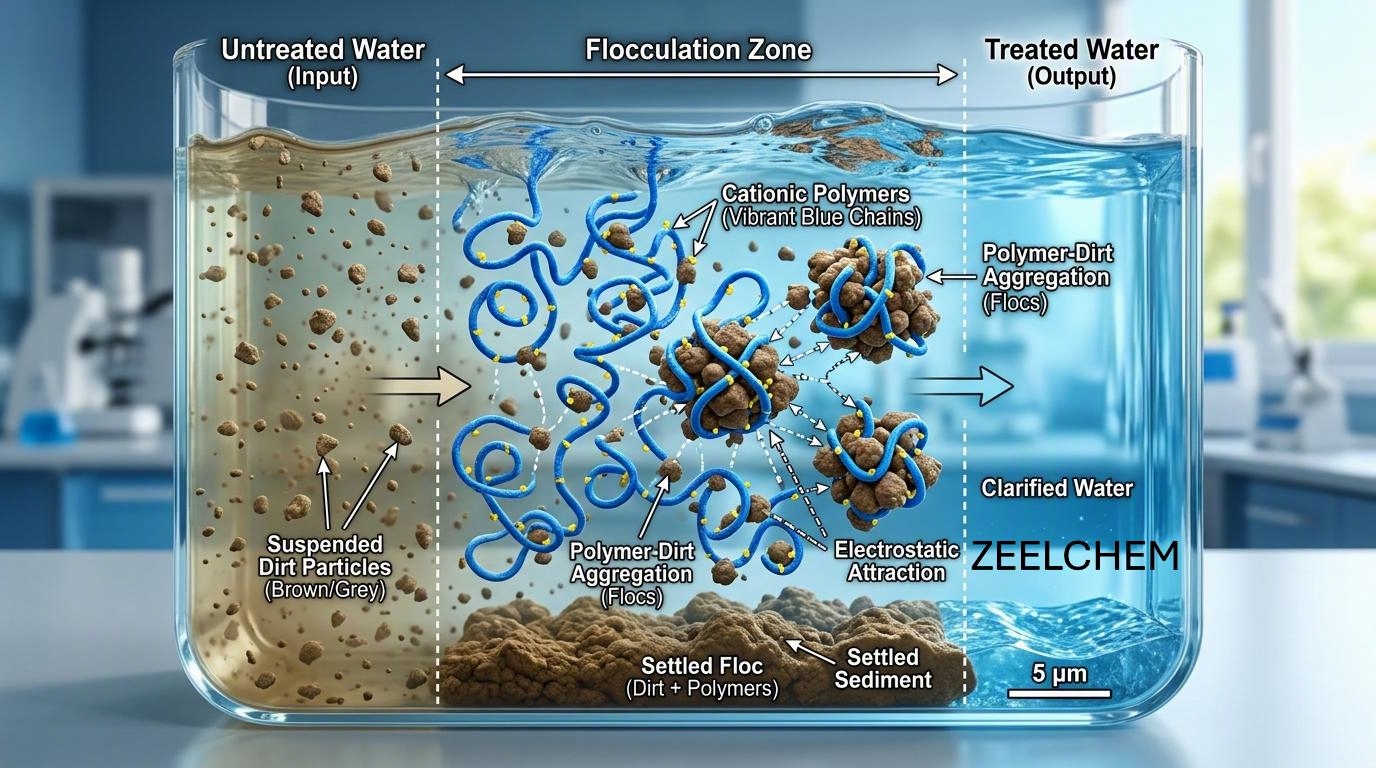
Polymers are water-soluble chemicals used in water and wastewater treatment. They clump suspended solids, colloids, organic matter and impurities into larger particles that are easier to remove.
Polymers are long chains of repeating monomers. Often used with inorganic coagulants (aluminium or iron salts), they work in two ways:
Uses include clarification, sludge thickening and dewatering in drinking water plants, industrial effluent (mining, paper, textile, food) and sewage treatment.
| Type | Charge | Common examples | Typical uses |
|---|---|---|---|
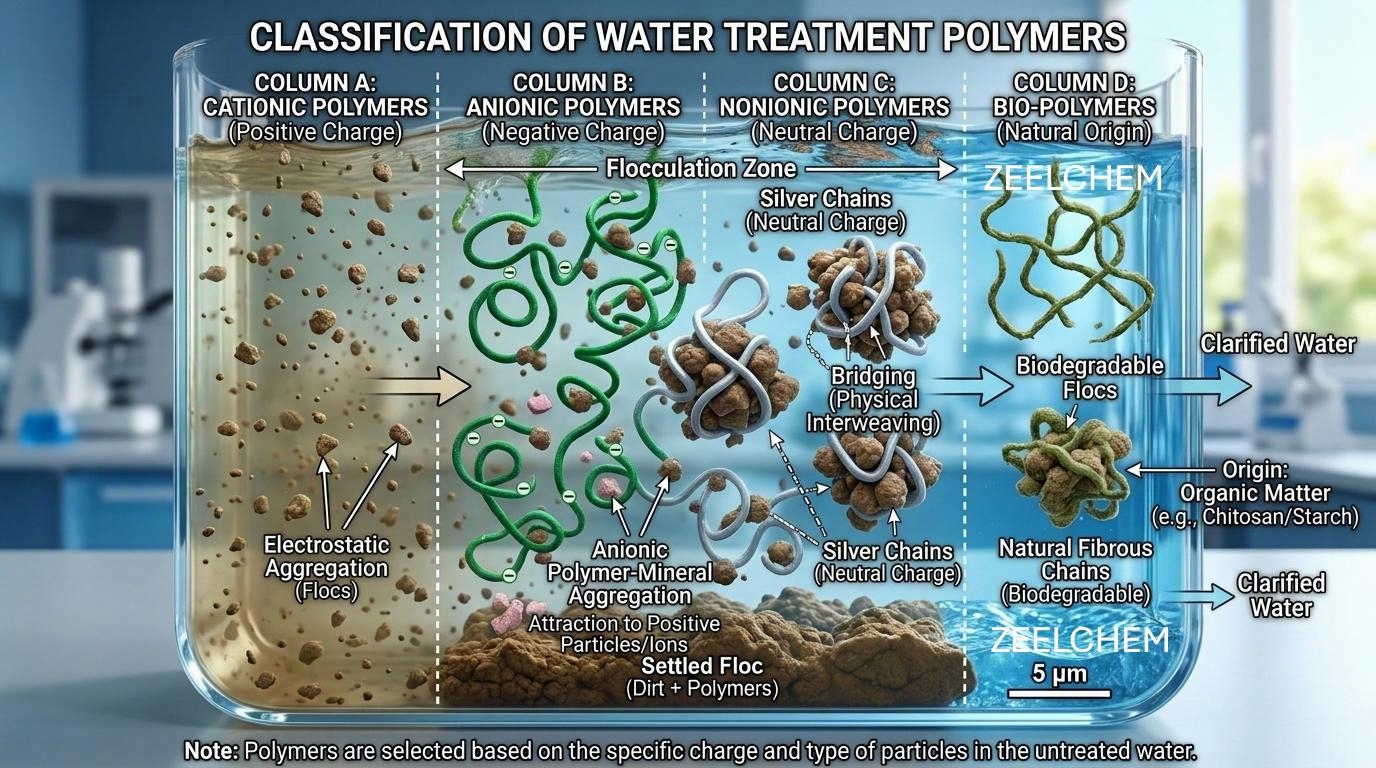
| Cationic | Positive | Cationic polyacrylamide, polyDADMAC, polyamines | Sludge dewatering, biological effluent |
| Anionic | Negative | Anionic polyacrylamide | Mining, paper mills, municipal wastewater |
| Non-ionic | Neutral | Non-ionic PAM, polyethylene oxide | Specific suspended solids, retention aids |
| Natural / biopolymer | Varies | Starch, chitosan, alginate, guar gum | Eco-friendlier options |
| Amphoteric | Both | Mixed-charge polymers | Variable-charge waters |
Polymers are also used in membranes, adsorbent hydrogels and as scale inhibitors, but their core purpose is better solid–liquid separation.
Learn what a silicone defoamer is, how it works, its benefits, industrial applications, dosage, and how to choose the right foam …
Coagulants, flocculants, disinfectants, pH adjusters, scale and corrosion inhibitors: what each water treatment chemical does and…
Silicone defoamers and anti-foaming agents: high-performance foam control for coatings, water treatment, paper, food and textiles.